
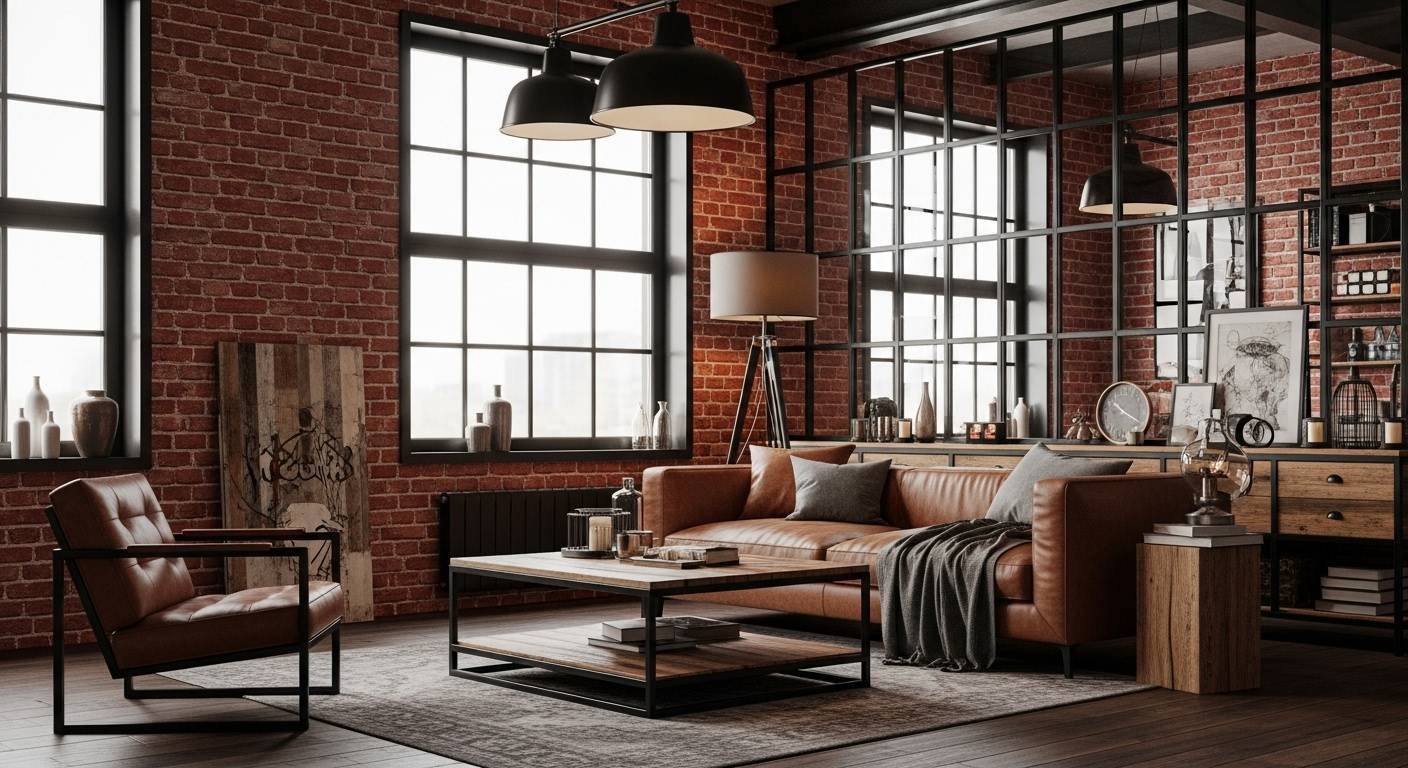
The industrial home decor style has become a favorite among design lovers who appreciate the beauty of raw materials and urban charm. Combining rugged textures, neutral tones, and functional design, it strikes the perfect balance between edgy and cozy. In this guide, we’ll explore 13 practical ways to master the industrial style, featuring exposed brick, metal accents, and moody vibes that bring character and warmth to any space.
1. Start With a Neutral and Earthy Color Palette
The foundation of industrial design lies in its neutral tones. Think shades of gray, black, brown, and beige. These colors create a grounded backdrop that allows the raw materials—like wood and metal—to shine through.
You can soften the look by mixing warm neutrals with cooler tones. For example, combine charcoal walls with tan leather furniture or beige rugs to create contrast and warmth. The goal is to make your space feel modern yet inviting.
2. Highlight Exposed Brick Walls
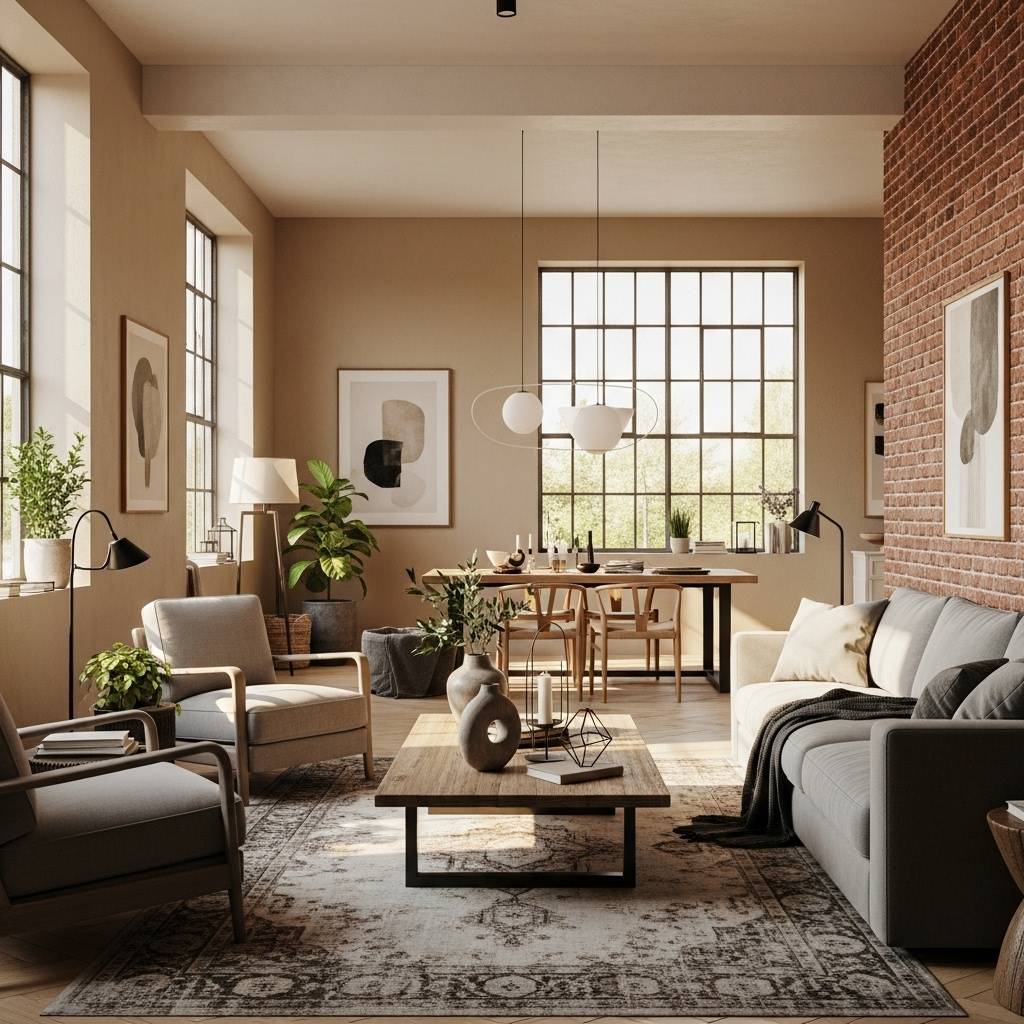
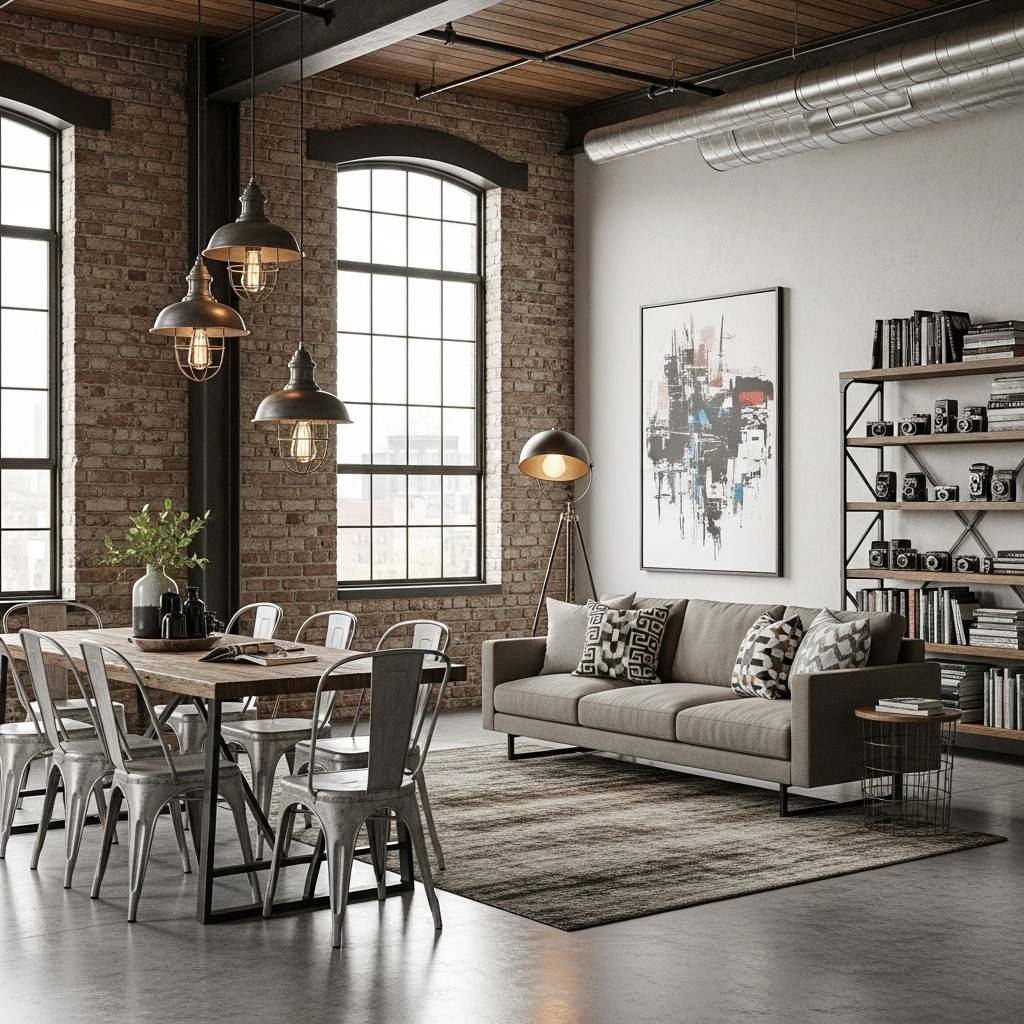
Nothing says “industrial” more than exposed brick. This feature instantly adds depth, texture, and authenticity to your interiors. If you’re lucky enough to have brick walls, highlight them with proper lighting and minimal wall decor.
If your home doesn’t have natural brick, don’t worry. Faux brick panels or textured wallpaper can achieve the same effect. A slightly weathered finish will help you capture that authentic, urban-loft feel.
3. Incorporate Metal Elements
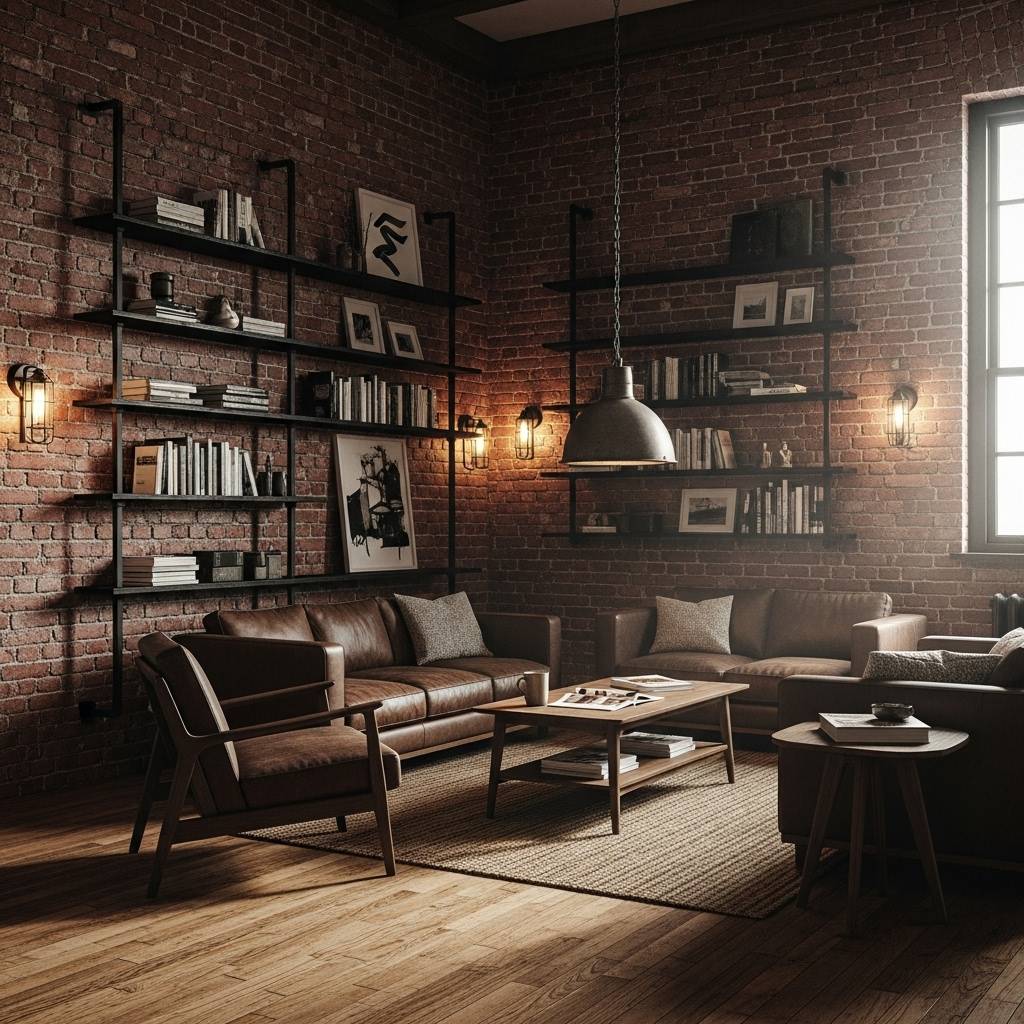
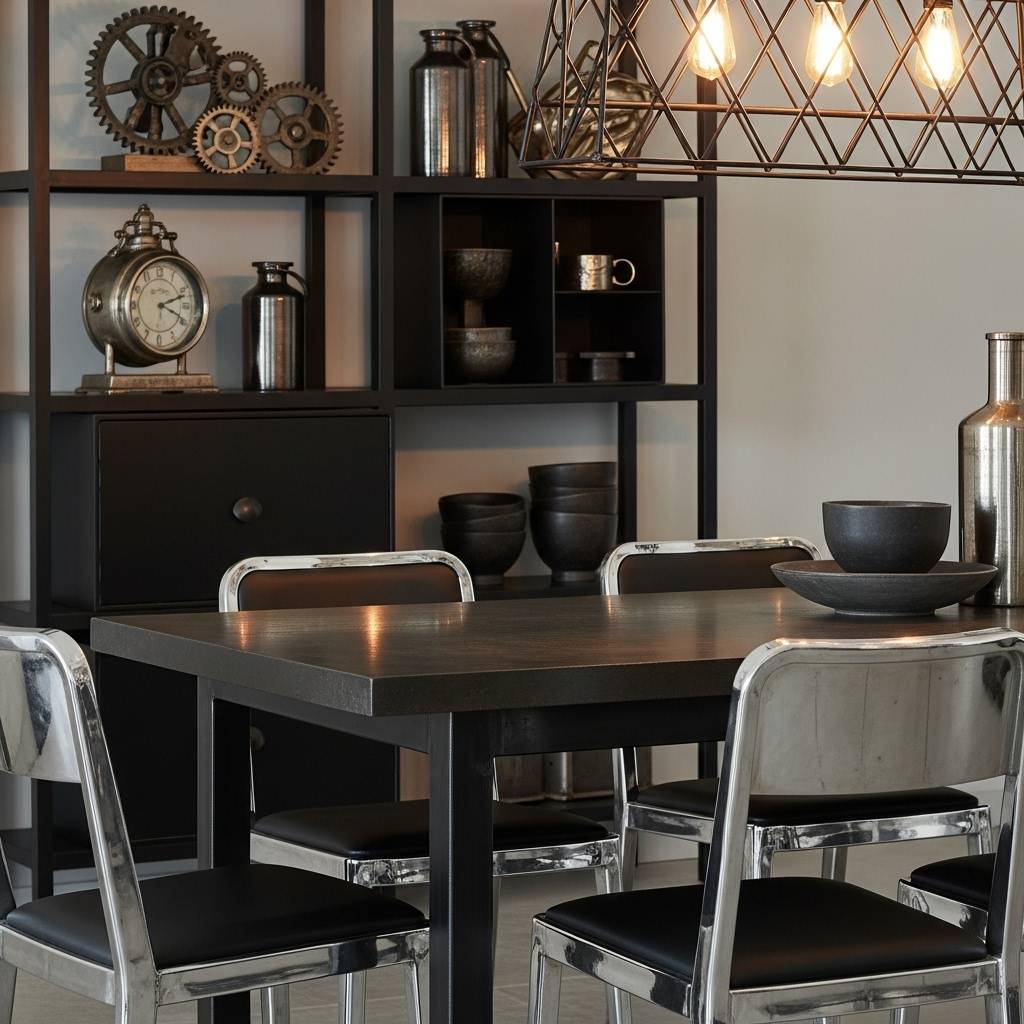
Metal is a must-have in industrial design. Materials like iron, steel, copper, and brass bring an urban edge to your decor. You can introduce them through light fixtures, shelving, furniture legs, or decorative accents.
For a more lived-in look, mix matte and polished finishes. For instance, pair brushed steel pendant lights with aged brass knobs. This contrast adds visual interest while staying true to the industrial theme.
4. Use Raw Wood for Warmth
To balance the coolness of metal and brick, bring in natural wood elements. Reclaimed wood tables, shelving units, and beams can add warmth and texture to your space. The imperfections in wood grain and color variations make the design feel authentic.
Look for pieces with a raw or unfinished look. A rustic dining table or open wooden shelving adds personality and softens the industrial atmosphere. The blend of natural and manufactured materials defines this style perfectly.
5. Embrace Open-Concept Layouts
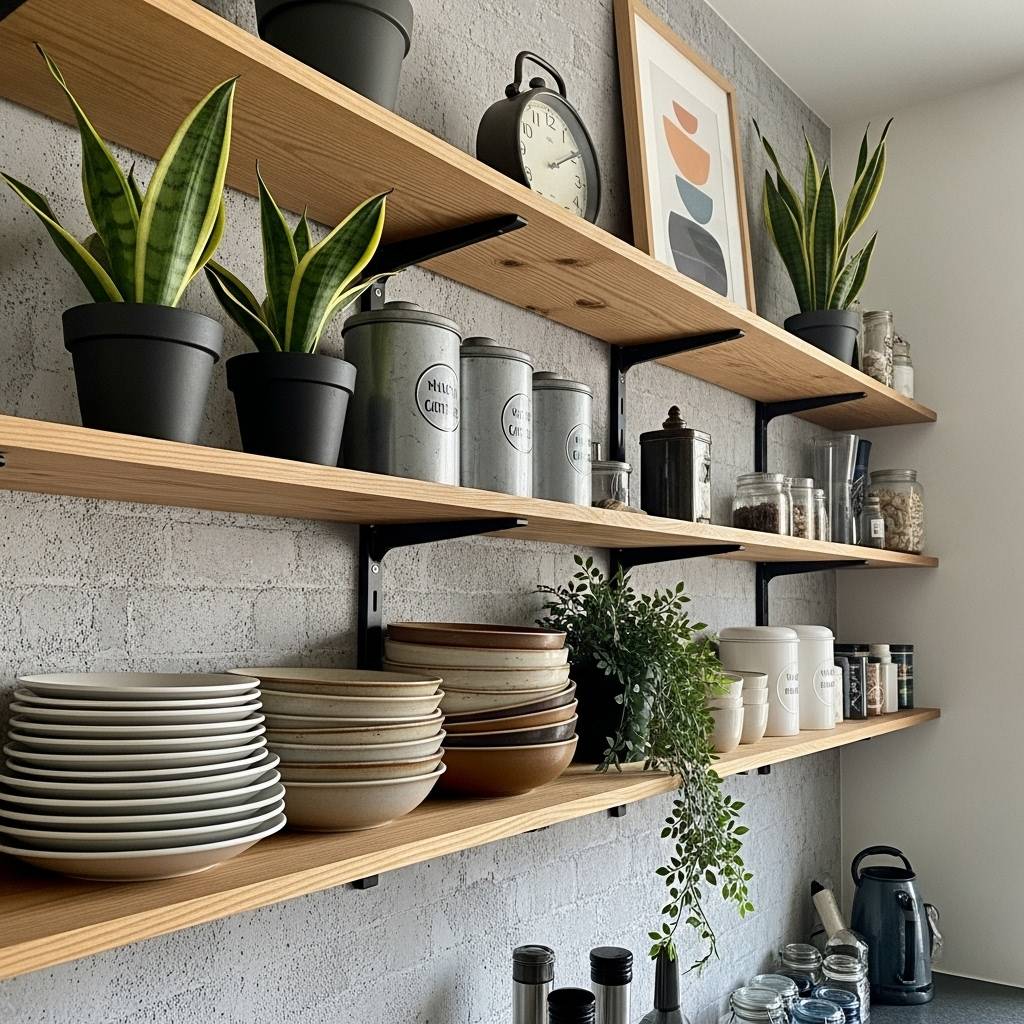
Industrial design thrives in open spaces, reminiscent of converted warehouses and lofts. Keep walls minimal and allow for a free flow of movement between areas like the kitchen, dining room, and living space.
If you can’t remove walls, create the illusion of openness with large windows, glass partitions, or open shelving. These features help maintain the airy, expansive feel that makes industrial interiors so appealing.
6. Add Moody Lighting and Statement Fixtures
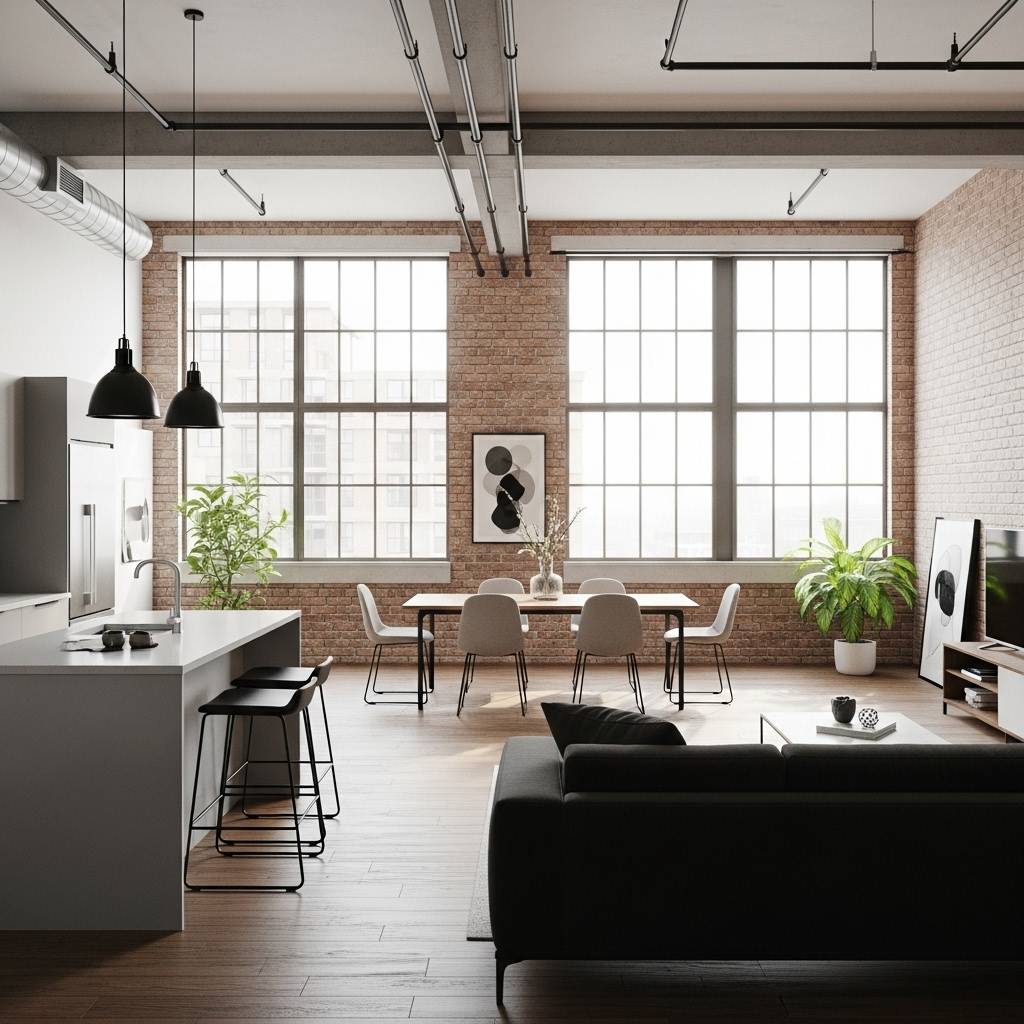
Lighting plays a huge role in setting the tone of an industrial space. Go for moody, low-light fixtures that highlight textures like brick, concrete, and metal. Pendant lights, Edison bulbs, and factory-style sconces are all excellent choices.
Black metal or brass fixtures with exposed bulbs add a vintage feel. You can also use track lighting or hanging lamps to spotlight key decor pieces or architectural features. The key is to strike a balance between functionality and atmosphere.
7. Choose Functional and Minimal Furniture
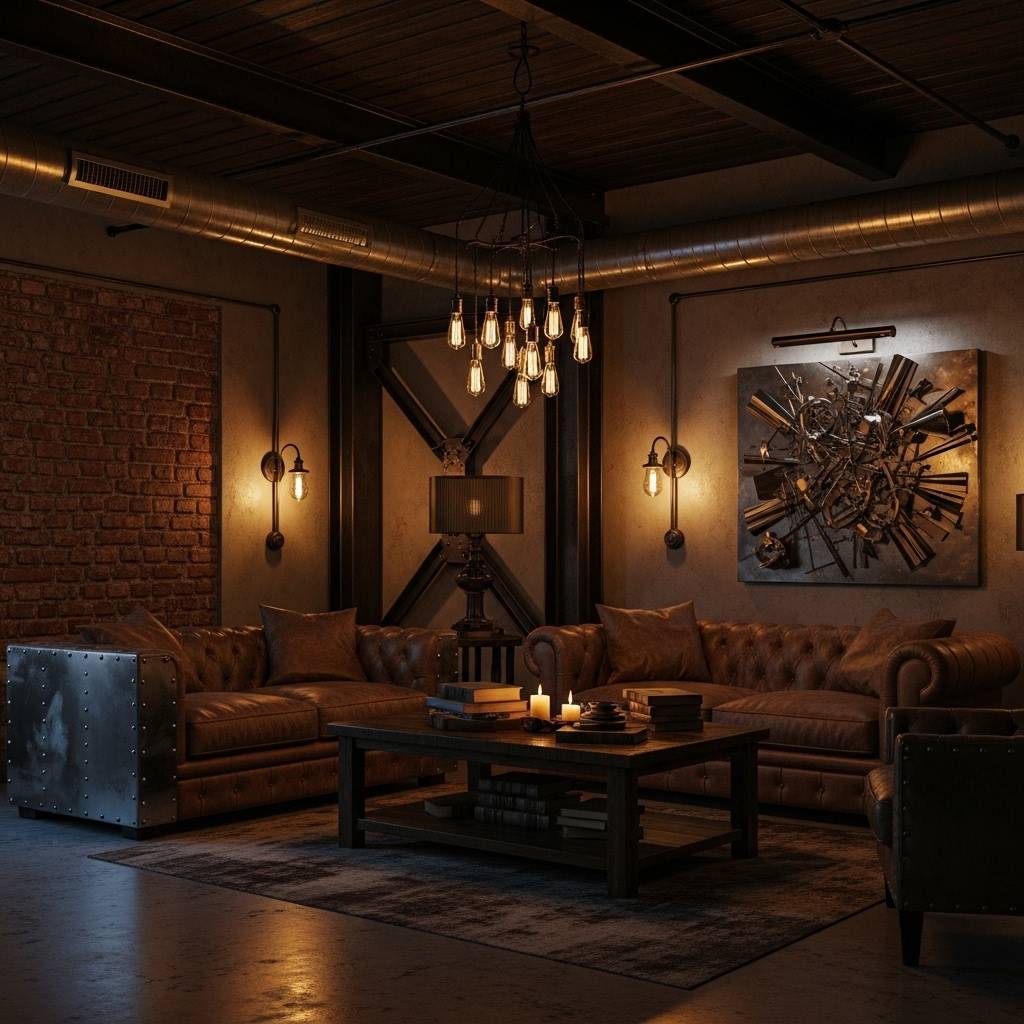
Industrial furniture is all about simplicity and function. Look for sturdy pieces with clean lines and minimal ornamentation. Metal frames, wooden tops, and leather finishes are classic choices that fit seamlessly into this aesthetic.
Stick to a few statement pieces rather than cluttering the room. A large wooden coffee table or a distressed leather sofa can serve as your focal point, complemented by smaller, functional items.
8. Mix Old and New Elements
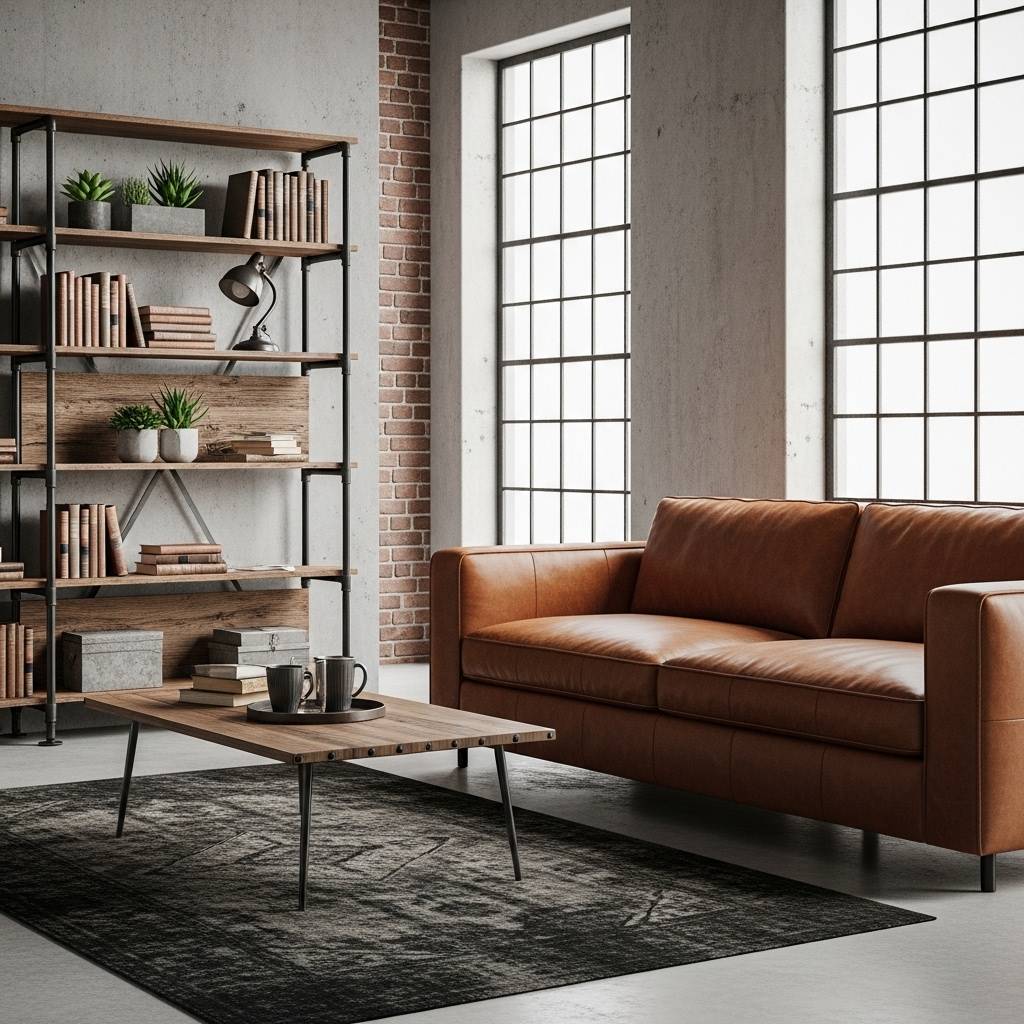
One of the best things about industrial style is its flexibility. You can mix vintage finds with modern elements for a layered, lived-in feel. Antique metal chairs, old factory carts, or vintage lighting can add character and tell a story.
Pair these with sleek, modern accessories like minimalist artwork or glass decor to keep the design fresh. The contrast between old and new keeps your space from feeling too dated or overly rustic.
9. Experiment With Textures and Materials
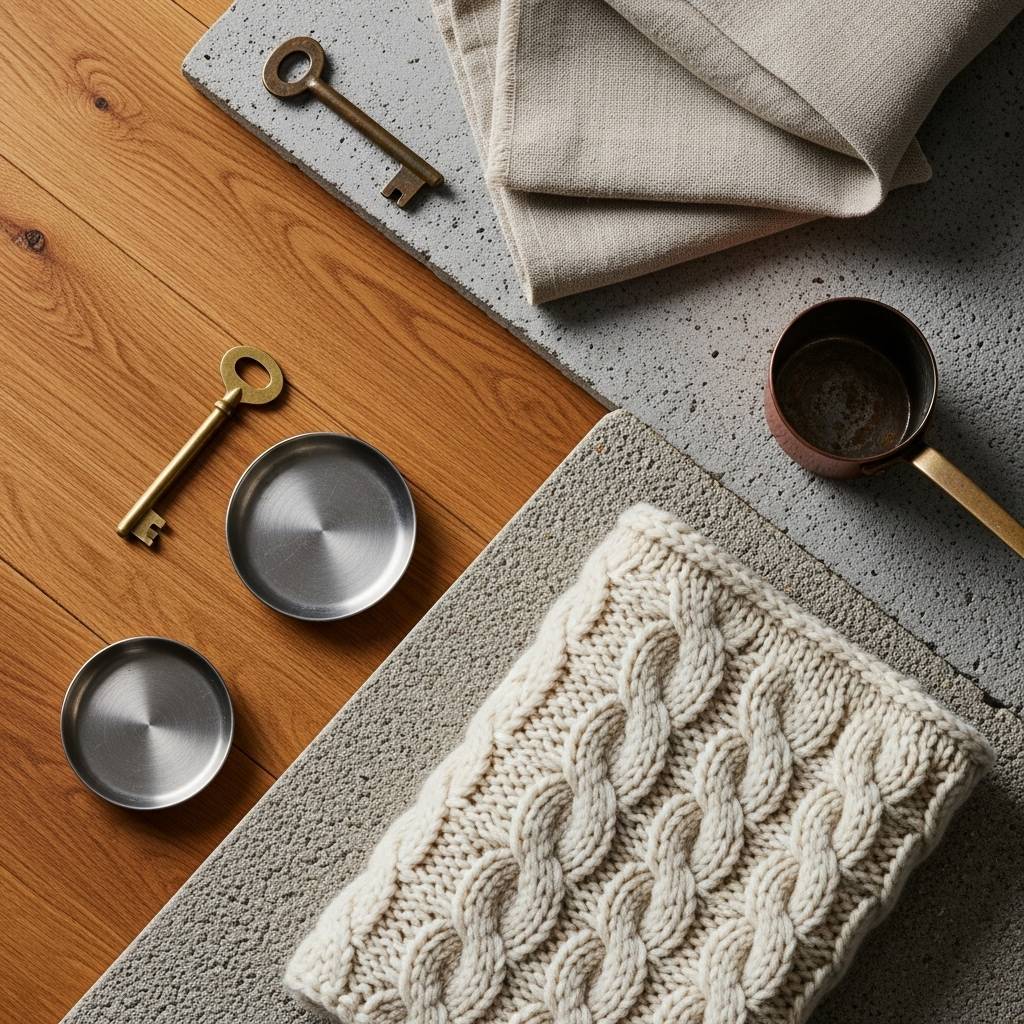
The industrial style is known for its diverse textures. Combine smooth, rough, matte, and shiny surfaces to add depth to your design. For instance, pair a concrete floor with a plush rug, or match metal furniture with soft linen upholstery.
This mix of textures creates balance and makes your space feel dynamic. Don’t be afraid to experiment—layering is the secret to achieving that effortless, “unfinished but polished” industrial vibe.
10. Accessorize With Intention
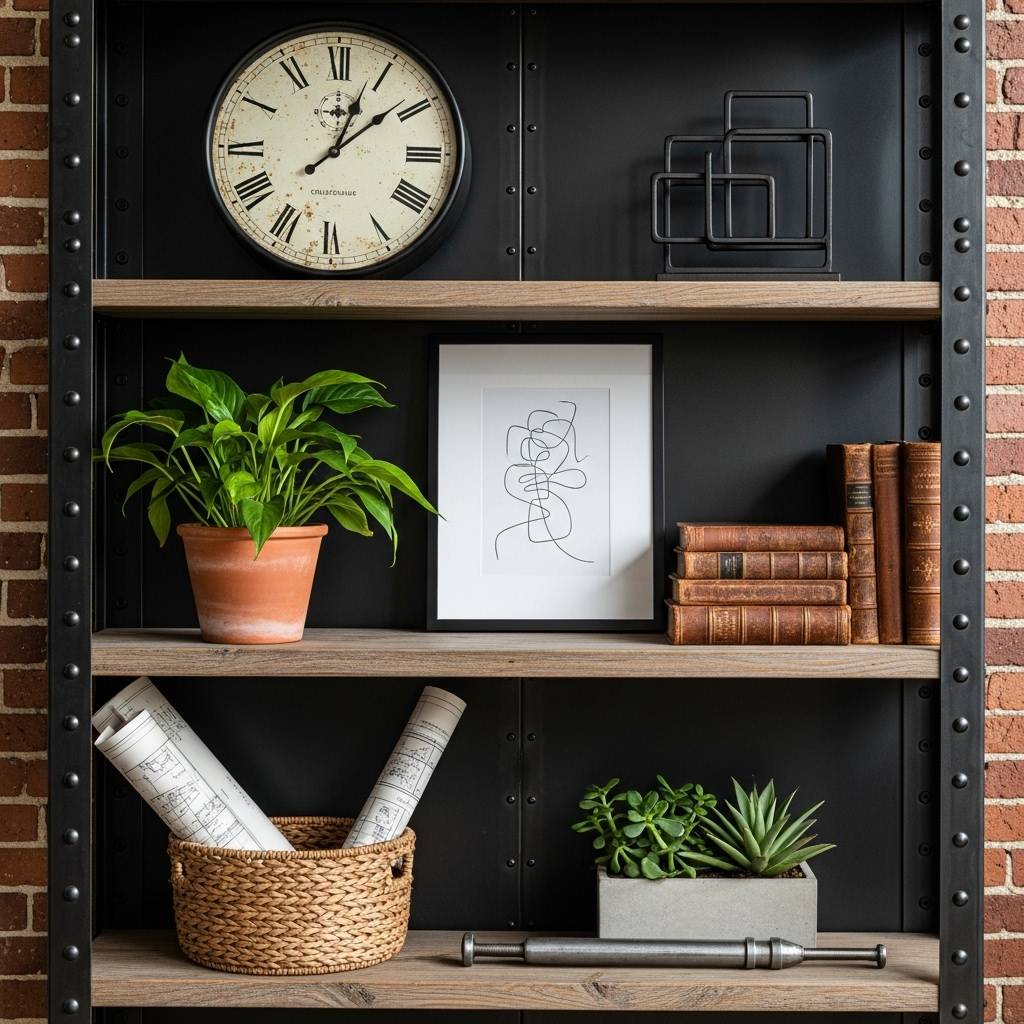
When decorating in the industrial style, less is often more. Choose a few meaningful decor items that complement the theme—like metal clocks, abstract art, or vintage signage. Keep tabletops and shelves uncluttered.
Plants can also be a great addition to soften the hard edges. Opt for low-maintenance greenery like succulents, snake plants, or hanging vines. They bring life and color without taking away from the raw aesthetic.
11. Incorporate Leather and Fabrics
Leather furniture and textiles add richness and comfort to industrial spaces. Whether it’s a vintage brown sofa or a few leather cushions, these elements help create warmth against the rougher textures of metal and wood.
Layer in textiles like linen curtains, wool throws, and cotton rugs to soften the industrial look. Neutral tones or earthy colors work best to maintain the style’s cohesive and grounded feel.
12. Don’t Forget the Floors
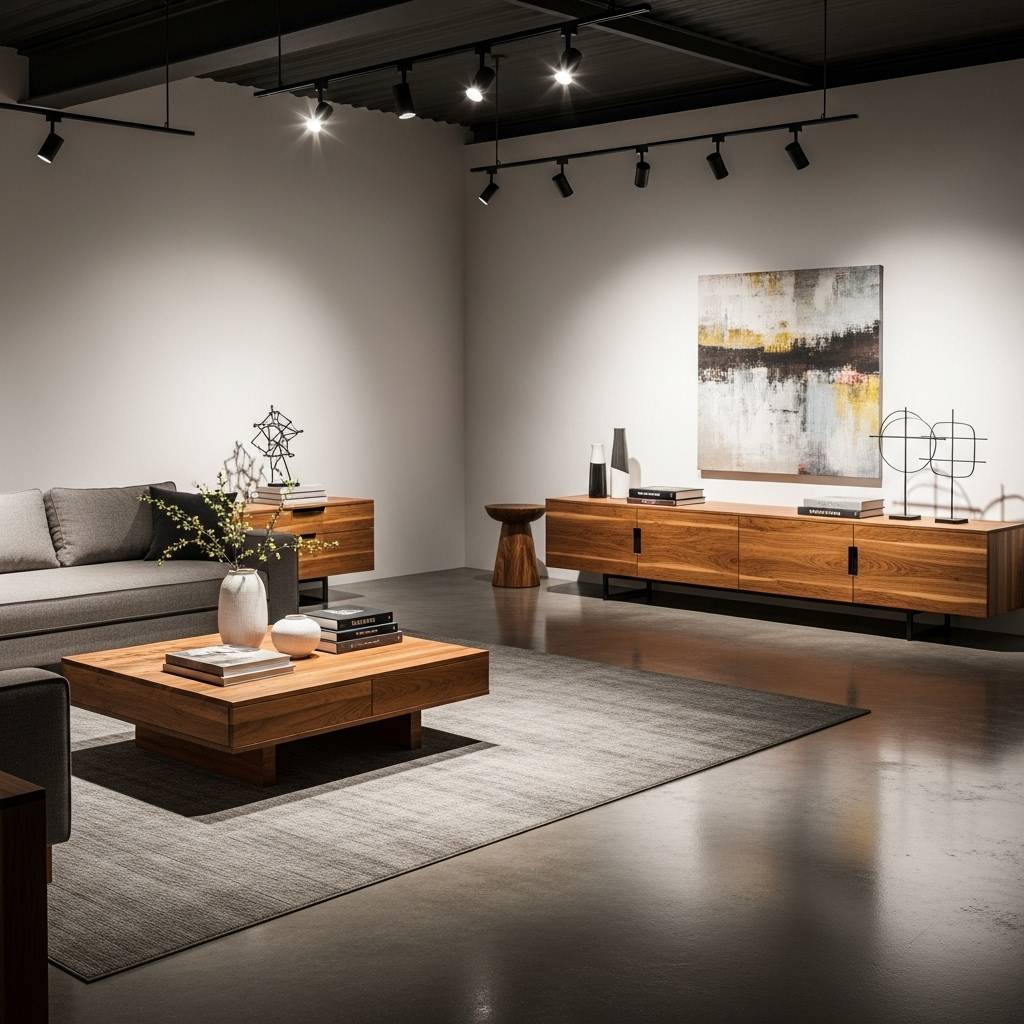
Industrial flooring is all about practicality and simplicity. Concrete, brick, or reclaimed wood are common choices that reflect the raw beauty of this style. Polished concrete floors give a sleek, modern touch, while distressed wood adds warmth.
If you prefer comfort underfoot, consider large area rugs in neutral tones or geometric patterns. They can define different zones in open spaces while still fitting the industrial theme.
13. Add a Personal Touch
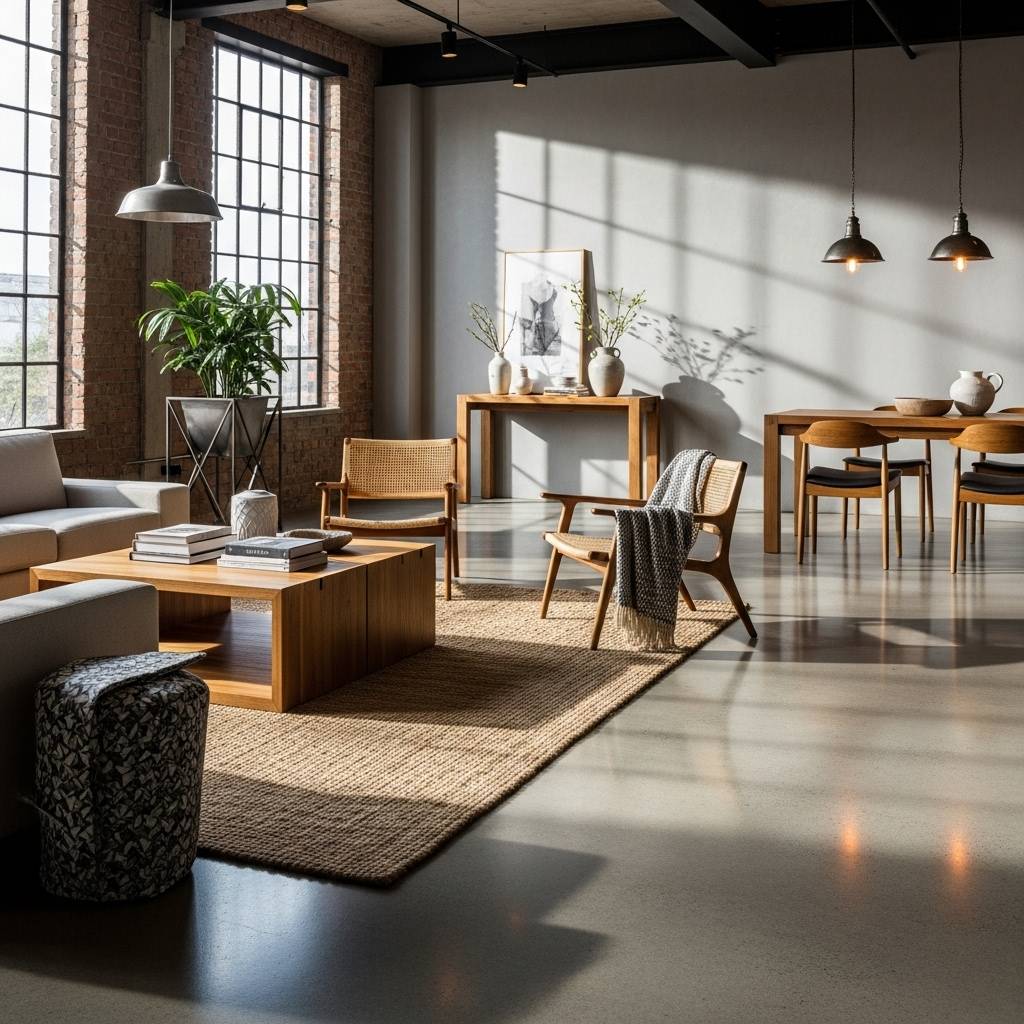
Even though the industrial style is known for its ruggedness, it should still reflect your personality. Display your favorite artwork, travel souvenirs, or DIY creations. These details turn a stylish space into a home that feels uniquely yours.
Consider blending in elements that reflect your hobbies—like a vintage record player, a wall of books, or industrial-style shelving for plants or collectibles. The key is to make the space personal, comfortable, and truly lived-in.
Final Thoughts
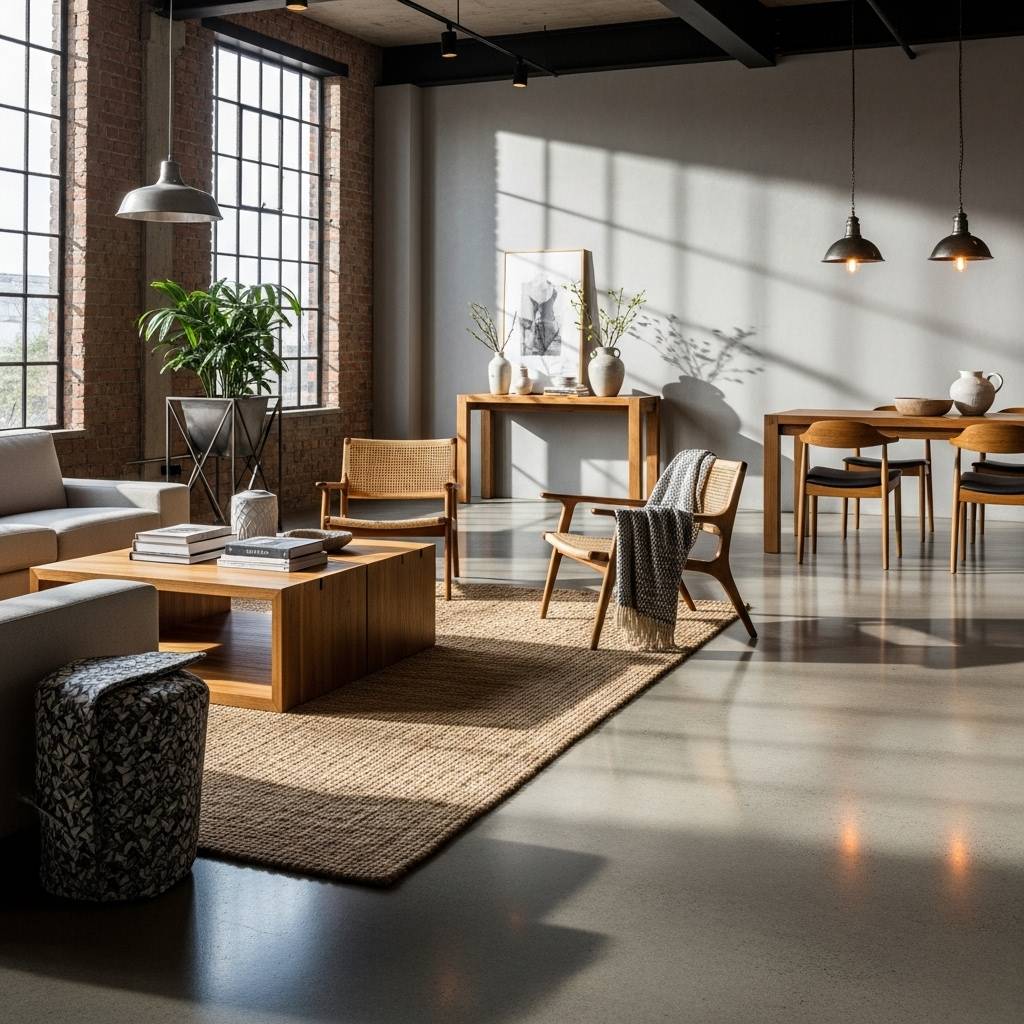
Mastering the industrial style with exposed brick, metal, and moody vibes is about finding beauty in simplicity and rawness. By combining natural materials, functional design, and a touch of creativity, you can craft a home that feels both stylish and comfortable.
Whether you live in a city loft or a suburban house, these 13 industrial home decor ideas will help you transform any space into a modern retreat with an urban soul.